
Monuments in Tunisia
From Roman amphitheatres and Punic sanctuaries to Ottoman fortresses and medieval mosques, Tunisia's monuments span every era of history.
Tunisia's monuments are a physical record of the civilisations that shaped the Mediterranean world. Each structure, whether a Roman bath, a Punic sanctuary, an Aghlabid mosque, or an Ottoman fortress, tells a story covering thousands of years of continuous human history.
All Monuments in Tunisia, Complete Guide
Click any monument for the full guide with history, visiting information, and photos.
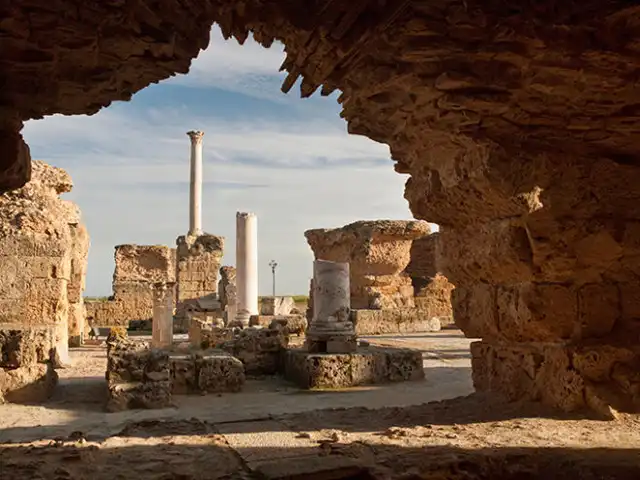
The Antonine Baths
Built under Emperor Hadrian, the Antonine Baths at Carthage were the third-largest in the Roman Empire, their colossal columns still stand above the Mediterranean.
Read Guide
The Tophet of Carthage
One of the most haunting places in Carthage, this sacred Punic precinct has yielded thousands of urns containing ashes across centuries of offerings.
Read Guide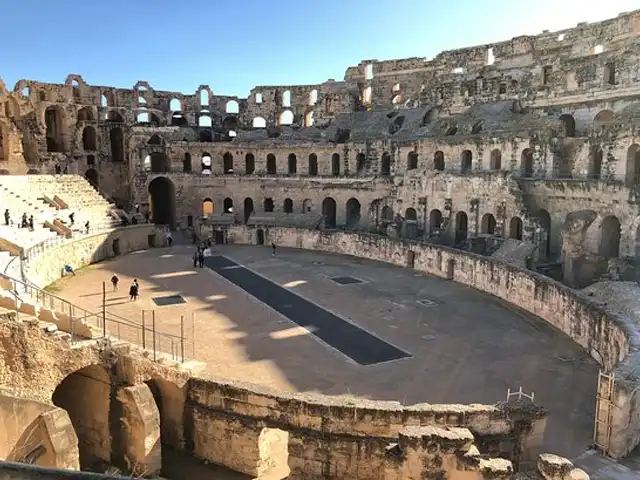
Roman Amphitheater, Carthage
The Roman Amphitheater of Carthage once held 36,000 spectators. Saints Perpetua and Felicity were martyred here in 203 AD, a site of epic historical resonance.
Read Guide
Roman Villas of Carthage
The Roman Villas of Carthage showcase the opulence of private life in late antique Roman Africa, with sumptuous mosaic floors and terraces facing the sea.
Read Guide
Amphitheater of El Jem
The El Jem Amphitheater is the fourth-largest Roman arena ever built, its perfectly preserved walls rise 36 metres above the Tunisian plains in breathtaking solitude.
Read Guide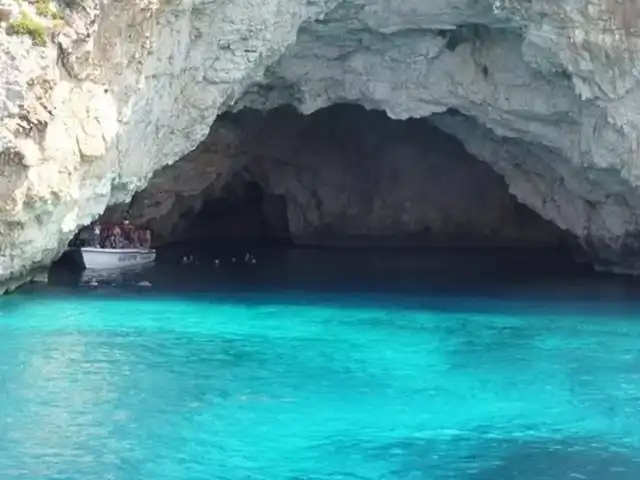
Caves of El Haouaria
The ancient quarries of El Haouaria were hand-carved by Punic workers to supply stone to Carthage, today bats and falcons inhabit the cool, cavernous chambers.
Read Guide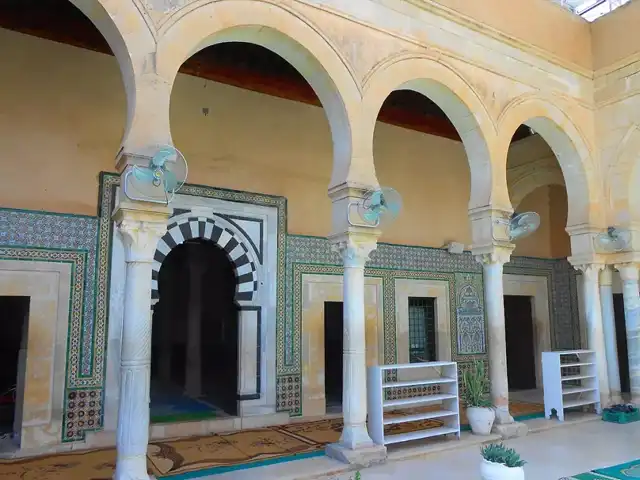
Abu Zamaa al-Balawi
Said to have carried hairs of the Prophet in his beard, Abu Zamaa al-Balawi is buried in one of Kairouan's most ornately decorated and revered mausoleums.
Read Guide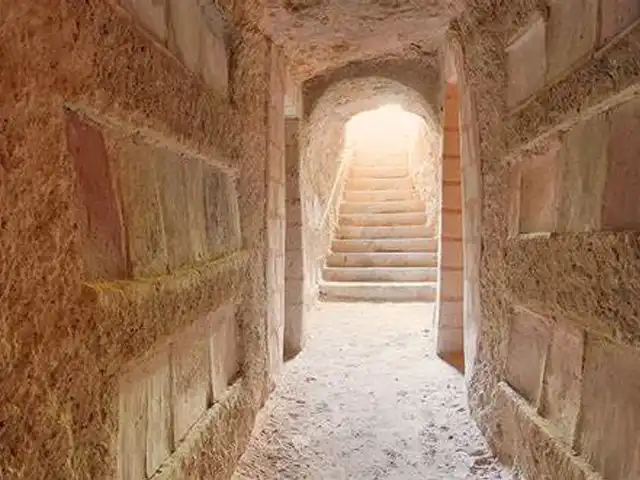
Catacombs of Sousse
Stretching over 5 km beneath Sousse, these early Christian catacombs contain more than 15,000 tombs, the second largest Christian catacombs after those of Rome.
Read Guide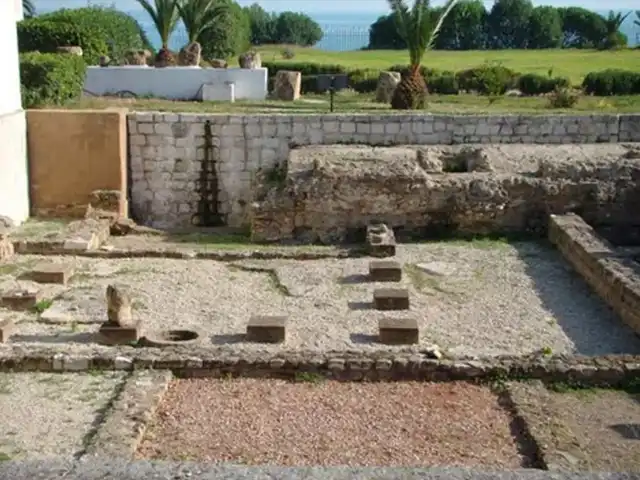
The Magon District
The Magon District is the best-preserved residential quarter of Punic Carthage, revealing the urban planning and daily life of this once formidable ancient superpower.
Read Guide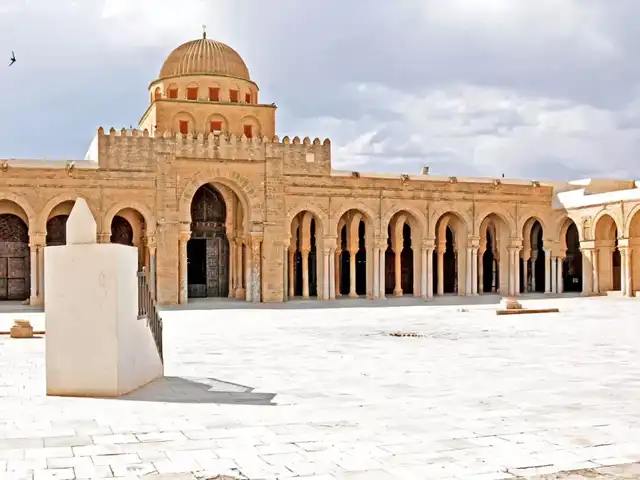
Great Mosque of Kairouan
Founded in 670 AD, the Great Mosque of Kairouan is the oldest mosque in Africa and one of the most important Islamic monuments on Earth, a spiritual masterpiece.
Read Guide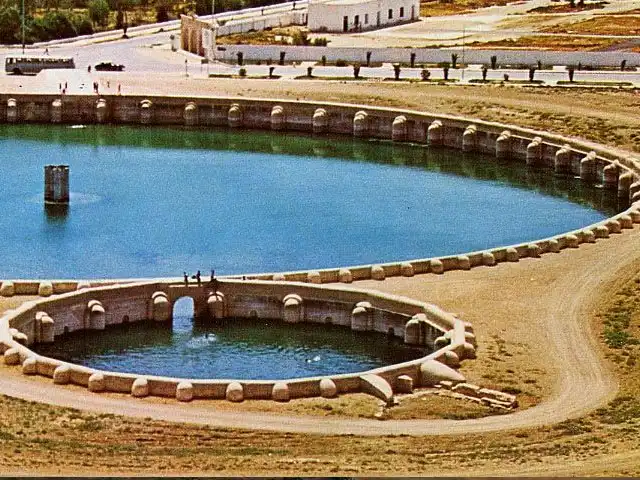
The Aghlabid Basins
Built in the 9th century to supply Kairouan, these 15 basins fed by a 36 km aqueduct are a triumph of early Islamic hydraulic engineering, still perfectly legible today.
Read Guide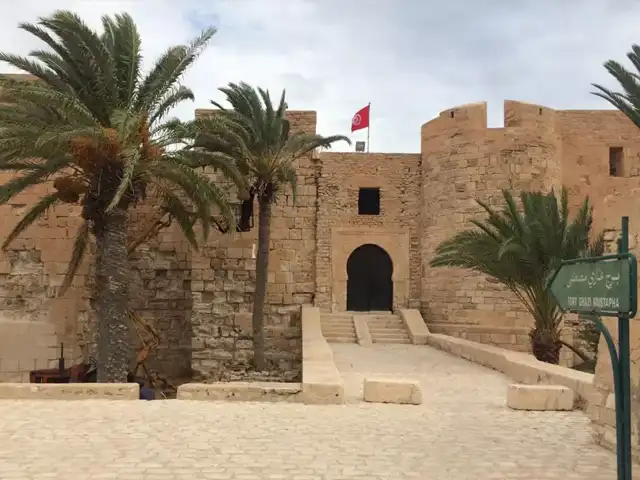
Spanish Fort of Djerba
This 15th-century fortress guards the entrance to Houmt Souk. Its towers once held the captive Miguel de Cervantes, stunning harbour and island views from the ramparts.
Read Guide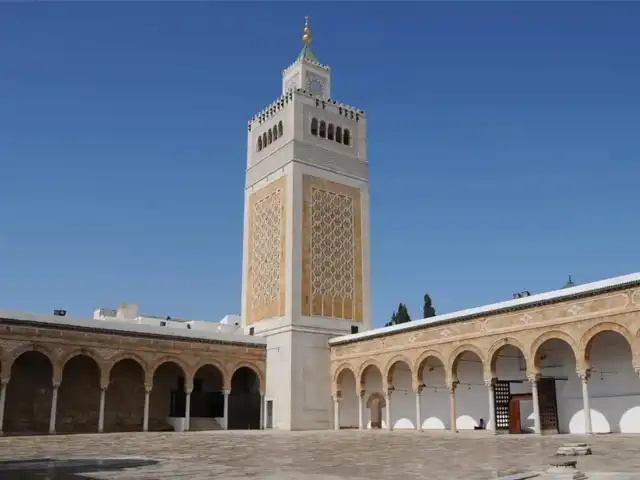
The Zitouna Mosque
The Zitouna Mosque is the oldest and grandest mosque in Tunis, its vast prayer hall is supported by 184 columns salvaged from the ruins of ancient Carthage.
Read Guide
Tourbet El Bey
This 18th-century mausoleum in the heart of the Tunis medina is one of Tunisia's finest examples of baroque Islamic architecture, housing the tombs of Husainid beys.
Read Guide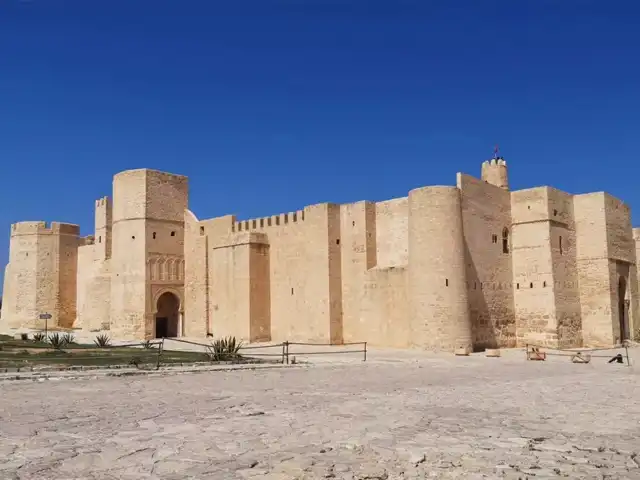
The Ribat of Monastir
The Ribat of Monastir is among the best-preserved early Islamic military monasteries in the world, its watchtower overlooks a sweep of golden Monastir beach.
Read Guide
Ottoman Fort of Mahdia
Built by the Ottomans in the 16th century, Borj el Kebir guards the narrow isthmus of Mahdia's Cap Africain with dramatic sea views on all sides.
Read Guide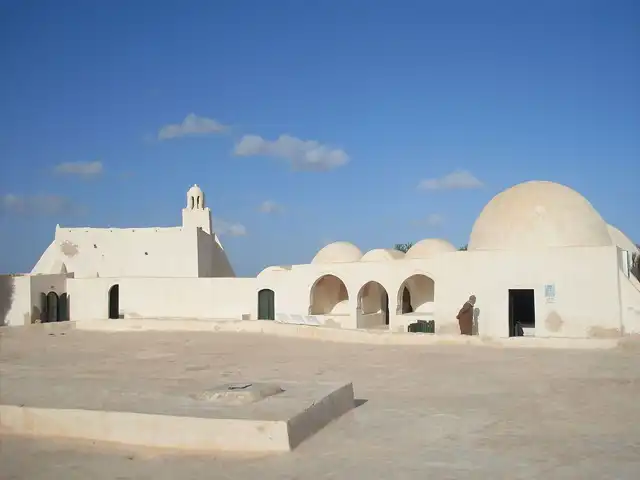
Fadhloun Mosque, Djerba
One of the finest examples of Ibadi Islamic architecture on the island, the Fadhloun Mosque's brilliant whitewashed minaret rises above the palm groves of interior Djerba.
Read Guide
Great Mosque of Mahdia
Built by Caliph Obeid Allah al-Mahdi in 916 AD to mark the founding of the Fatimid dynasty, its monumental gateway is unique in the history of Islamic architecture.
Read GuidePlanning a Historical Tour of Tunisia?
Our local guides design private monument tours combining the best of Punic, Roman, and Islamic heritage, tailored entirely to you.
Eight UNESCO sites. One extraordinary country.
Discover Tunisia's heritage with an expert local guide
