
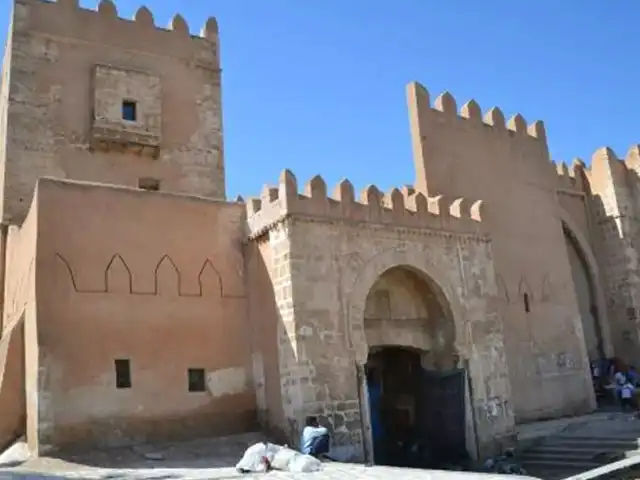
The medina of Sfax
Tunisia's most authentic walled medina, far from the crowds.
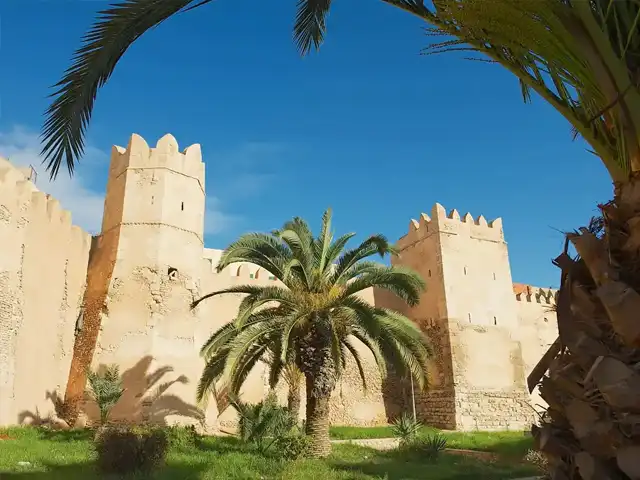
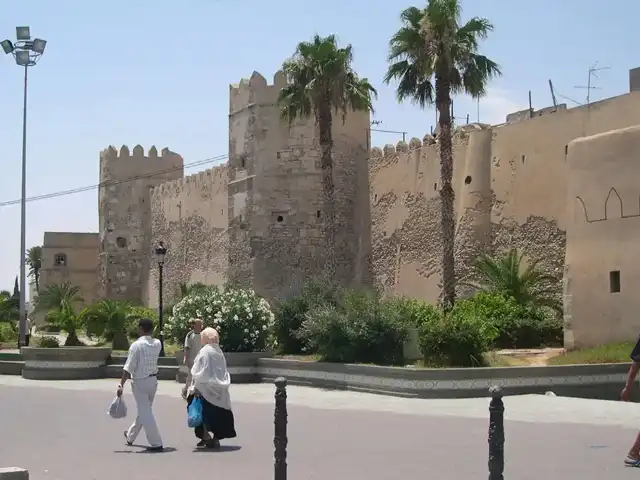
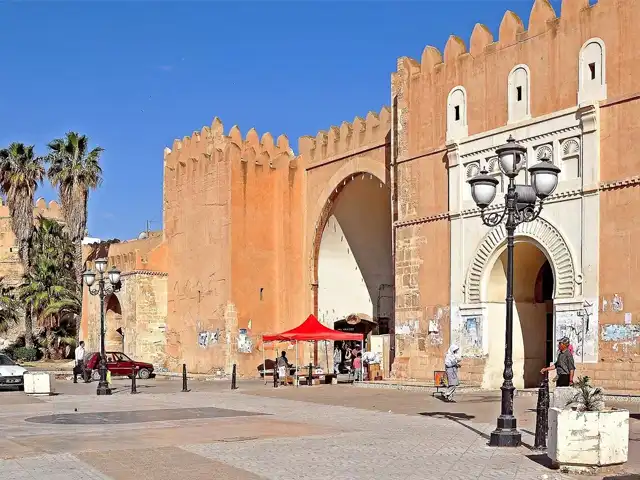
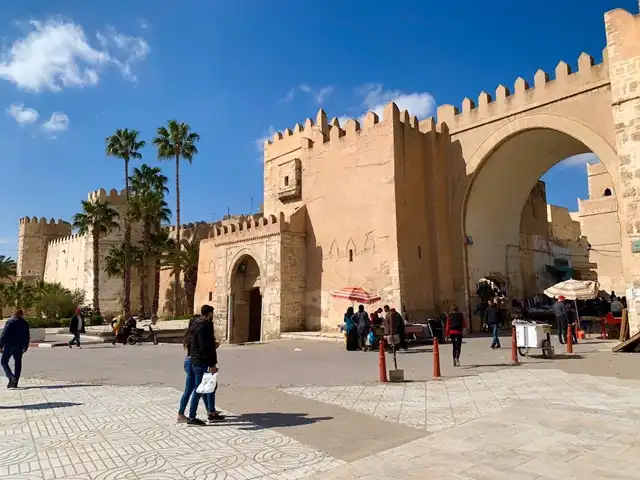
The Medina of Sfax has a remarkable past and distinctive architecture. It is currently being inscribed on UNESCO’s prestigious list of cultural heritage. It would thus join the three other medinas already classified: Tunis, Kairouan and Sousse. Founded in 849 under the Aghlabid dynasty (800-909), this medina perfectly illustrates the urban planning of Muslim cities built between the 7th and 10th centuries. Four large blocks divide it. Its regular orthogonal plan distinguishes it, as does the preservation of its entire fortified enclosure. This enclosure dates mainly from the 9th century. Its height varies between seven and eleven meters. Thirty-four towers punctuate it. Two monumental entrances, aligned on the same axis, give access to it.
The medina ranks among the rare medieval towns in North Africa to have preserved a largely unmodified urban fabric, despite the multiple alterations its buildings have undergone over the centuries. It also constitutes the most representative and best-preserved example, throughout the Mediterranean basin, of original Arab-Islamic urban planning. Some of its monuments are classified as national heritage, the oldest since 1912. On February 17, 2012, the Tunisian government proposed the medina for future inscription on the UNESCO World Heritage List. The Great Mosque, the jewel of the old town, occupies a central position. This place of worship has existed for over a thousand years. With its ramparts, streets, oratories, residences, hammams and souks, the Medina of Sfax forms a heritage ensemble combining beauty, authenticity and monumentality.
The Colonial District of Bab-Bhar
At the end of the 19th century, at the beginning of the French protectorate, a new district emerged opposite the eastern side of the ramparts. This district, called Bab-Bhar, covers approximately 35 hectares. It replaced the rbat el-qobli (literally “southern suburb”), also known as the “Frankish district”. Its morphology broadly follows the medina model, but differs with a more airy street network. Its design reflects inspiration from the medina’s architectural heritage. It also shows a deliberate desire for harmony between the two ensembles: the historic and the colonial. An interesting mirror effect occurs: the projections of the dungeons and rampart towers respond to the recesses of the facing buildings.
The medina of Sfax in Video
The medina of Sfax on the Map
Map data © OpenStreetMap contributors
You came for the sun. You'll stay for the soul.
Let us show you what Tunisia truly is
