
About This Site
The archaeological site of Meninx is located on the southeast coast of the island of Djerba, not far from the Roman road (the Kantara), near the present-day town of Henchir El Kantara, offering a fascinating journey through time. It is two kilometers long and eight hundred meters wide, part of which was likely submerged by the sea.
Let’s explore this remarkable destination from its ancient origins to the ongoing excavations.
From the Phoenician trading post to the Roman capital
Centuries ago, the Phoenicians established a trading post at this location, which over time developed into a thriving commercial metropolis. During Roman rule, Meninx gained the status of a capital and became the political center of the island.
Discoveries and ongoing excavations
A treasure trove of past times
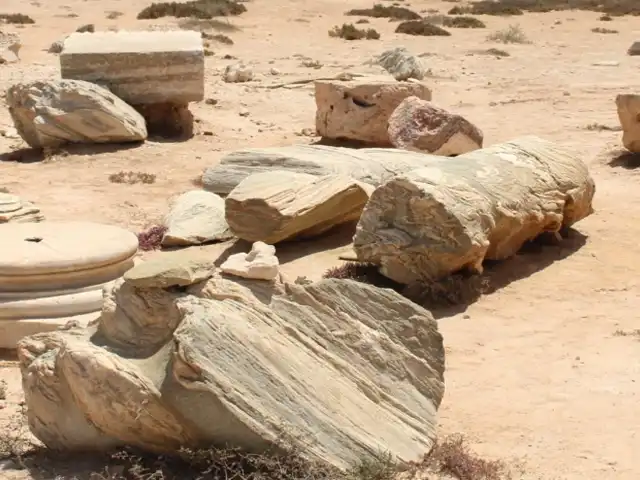
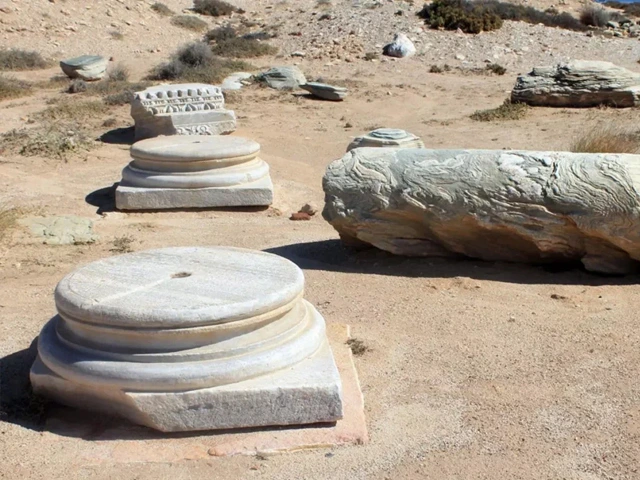
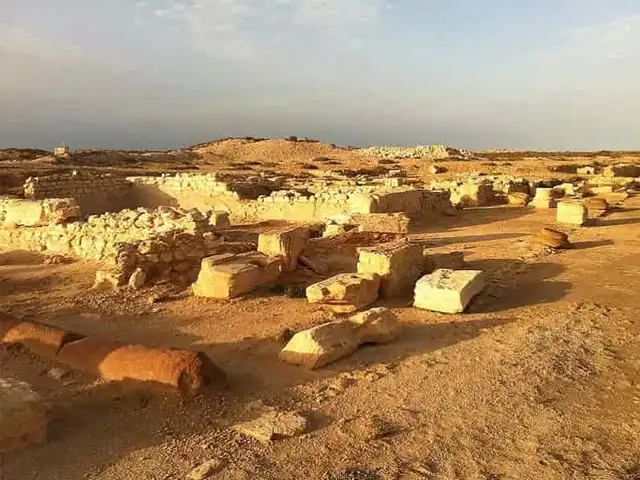
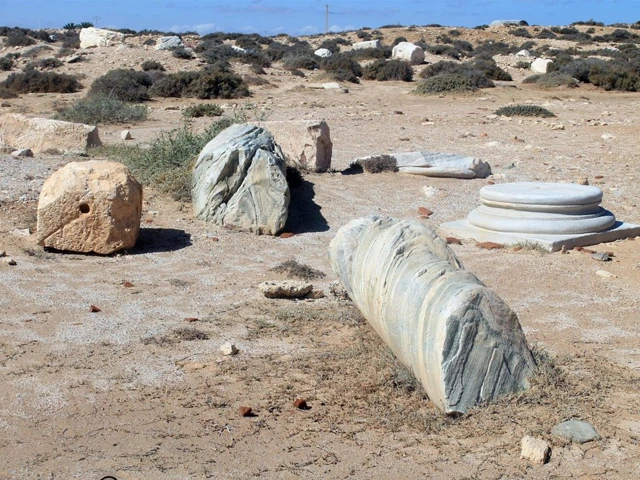
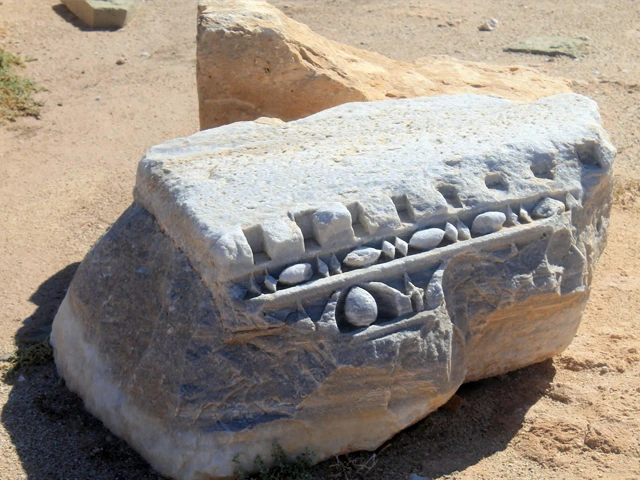
In-depth research and ongoing excavations have brought to light amazing artifacts and remains. Look forward to discovering fascinating finds and secrets from past eras. Among the excavations, you can find thermal baths, an amphitheater, a basilica, and many other exciting relics.
An impressive experience for history enthusiasts
Immerse yourself in the rich history of Meninx by visiting the archaeological park. Learn more about the city’s trade and significance, such as the production of purple dye from murex snails. Enjoy breathtaking views of the ancient forum, the market, the warehouses, and the surrounding sea.
Meninx Archaeological Site in Photos
Where to Find Meninx Archaeological Site
Discover in Video
Frequently Asked Questions
Meninx was the Phoenician and later Roman capital of the island of Djerba (ancient Girba). It served as the principal city of the island for centuries and was an important centre of the Mediterranean purple dye trade, exploiting the murex sea snails found along the Djerban coast.
Sea level rise since antiquity and coastal erosion have partially submerged the ancient city. Archaeological surveys have identified substantial remains, including baths, an amphitheater, a basilica, and a forum, some of which lie underwater offshore.
On land, visitors can see the partially excavated remains of Roman-era buildings including thermal baths, paved streets, and sections of the forum. The surrounding coastline preserves traces of the purple dye workshops that were the site's industrial heart.
Meninx is located on the southeastern tip of Djerba, near the village of Hara Sghira and El Kantara, accessible by car from Houmt Souk (about 25 km).
Tyrian purple was among the most expensive commodities in the ancient world, prized for its permanence and depth of colour. It was used for imperial and royal garments, and its production at Meninx linked Djerba into the highest levels of Roman commerce.
Meninx is currently a low-infrastructure archaeological site - there are no facilities, tickets, or organised tours on site. It is best visited with an interest in archaeology and self-guided exploration. The seaside setting is atmospheric.

