
À propos de ce site
Le site archéologique de Meninx se trouve sur la côte sud-est de l’île de Djerba, non loin de la route romaine (le Kantara), près de la ville actuelle de Henchir El Kantara, offrant un voyage fascinant à travers le temps. Il mesure deux kilomètres de long et huit cents mètres de large, dont une partie a probablement été submergée par la mer.
Explorons cette destination remarquable depuis ses origines antiques jusqu’aux fouilles en cours.
Du comptoir commercial phénicien à la capitale romaine
Il y a des siècles, les Phéniciens ont établi un comptoir commercial à cet endroit, qui s’est transformé au fil du temps en une métropole commerciale prospère. Sous la domination romaine, Meninx a acquis le statut de capitale et est devenue le centre politique de l’île.
Découvertes et fouilles en cours
Un trésor des temps passés
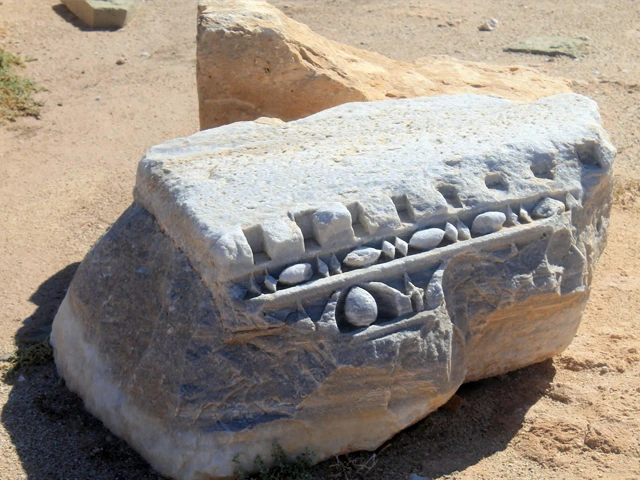
Des recherches approfondies et des fouilles en cours ont révélé des artefacts étonnants et des vestiges. Soyez enthousiasmé par la découverte de trouvailles fascinantes et de secrets des époques révolues. Parmi les fouilles, on trouve notamment des thermes, un amphithéâtre, une basilique et de nombreux autres reliques passionnantes.
Une expérience impressionnante pour les passionnés d’histoire
Immergez-vous dans la riche histoire de Meninx en visitant le parc archéologique. Apprenez-en davantage sur le commerce de la ville et son importance, comme la production de teinture pourpre à partir des coquilles de pourpre. Profitez de vues à couper le souffle sur l’ancien forum, le marché, les entrepôts et la mer environnante.
Le site archéologique de Meninx Galerie photos
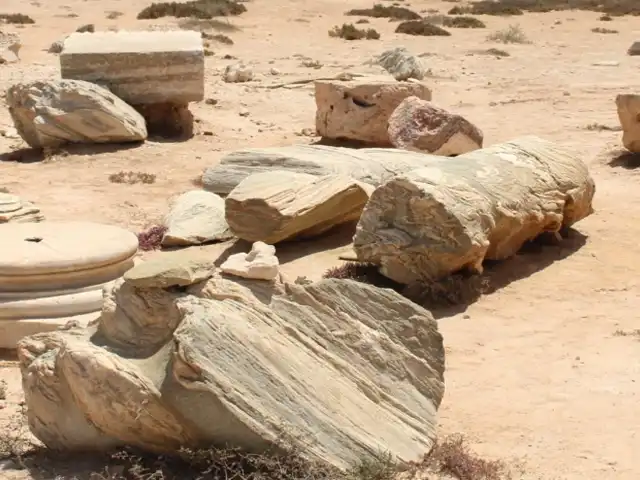
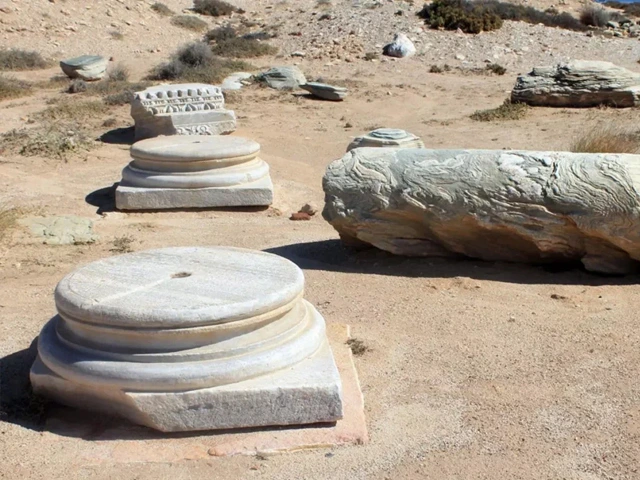
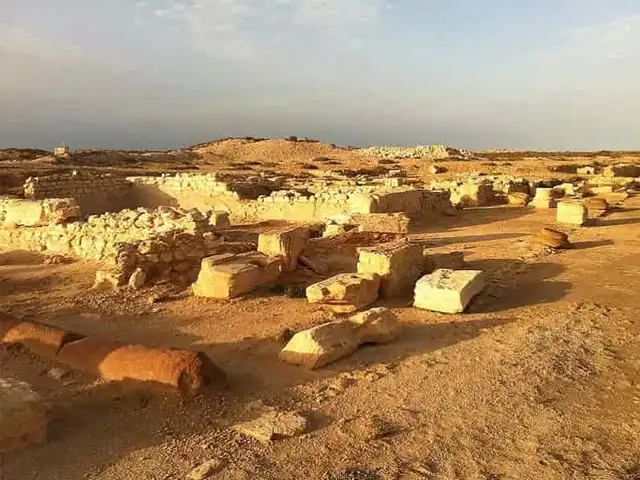
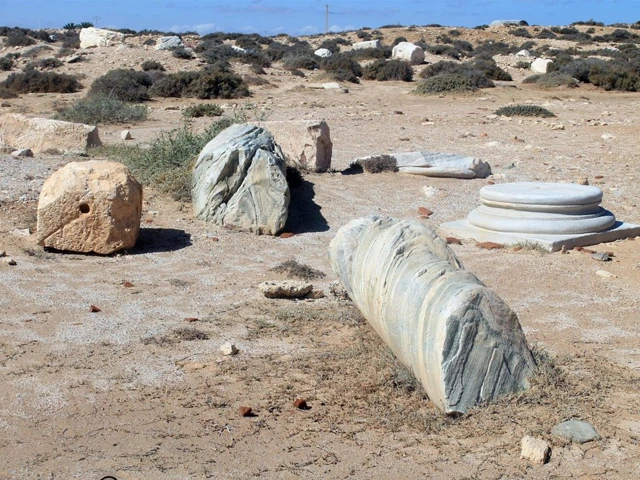
Où trouver Le site archéologique de Meninx
Découvrir en vidéo
Questions fréquentes
Meninx was the Phoenician and later Roman capital of the island of Djerba (ancient Girba). It served as the principal city of the island for centuries and was an important centre of the Mediterranean purple dye trade, exploiting the murex sea snails found along the Djerban coast.
Sea level rise since antiquity and coastal erosion have partially submerged the ancient city. Archaeological surveys have identified substantial remains, including baths, an amphitheater, a basilica, and a forum, some of which lie underwater offshore.
On land, visitors can see the partially excavated remains of Roman-era buildings including thermal baths, paved streets, and sections of the forum. The surrounding coastline preserves traces of the purple dye workshops that were the site's industrial heart.
Meninx is located on the southeastern tip of Djerba, near the village of Hara Sghira and El Kantara, accessible by car from Houmt Souk (about 25 km).
Tyrian purple was among the most expensive commodities in the ancient world, prized for its permanence and depth of colour. It was used for imperial and royal garments, and its production at Meninx linked Djerba into the highest levels of Roman commerce.
Meninx is currently a low-infrastructure archaeological site - there are no facilities, tickets, or organised tours on site. It is best visited with an interest in archaeology and self-guided exploration. The seaside setting is atmospheric.

