
Stanowisko archeologiczne Meninx
Zatopiony fenicki port na Dżerbie
O tym miejscu
Stanowisko archeologiczne Meninx położone jest na południowo-wschodnim wybrzeżu wyspy Dżerba, przy drodze rzymskiej (Kantara), w pobliżu dzisiejszego miasta Henchir El Kantara i oferuje fascynującą podróż w czasie. Ma dwa kilometry długości i osiemset metrów szerokości, część prawdopodobnie została zanurzona przez morze.
Przyjrzyjmy się temu niezwykłemu celowi od jego starożytnych początków po trwające wykopaliska.
Od fenickiej placówki handlowej do rzymskiej stolicy
Przed wiekami Fenicjanie założyli w tym miejscu punkt handlowy, który z czasem rozwinął się w prężną metropolię handlową. Za panowania Rzymian Meninx uzyskało status stolicy i stało się politycznym centrum wyspy.
Odkrycia i trwające wykopaliska
Skarb przeszłości
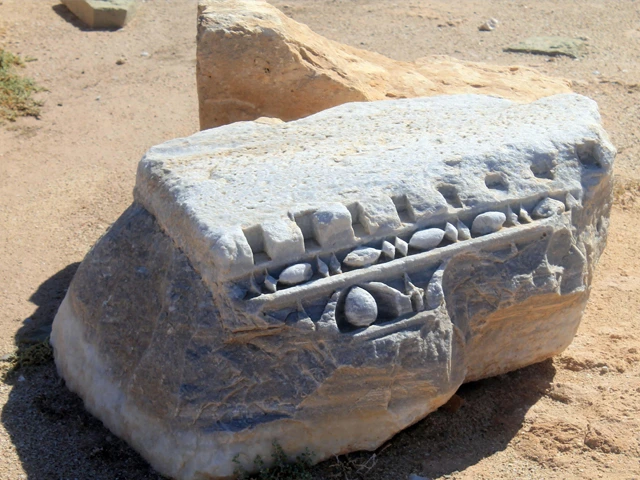
Dogłębne badania i trwające wykopaliska wydobyły na światło dzienne niesamowite artefakty i pozostałości. Nie możemy się doczekać odkrycia fascynujących znalezisk i tajemnic z minionych epok. Wśród wykopalisk znajdziesz łaźnię termalną, amfiteatr, bazylikę i wiele innych ekscytujących zabytków.
Imponujące przeżycie dla miłośników historii
Zanurz się w bogatej historii Meninx, odwiedzając park archeologiczny. Dowiedz się o handlu i znaczeniu miasta, na przykład o produkcji fioletowego barwnika ze ślimaków murex. Rozkoszuj się zapierającym dech w piersiach widokiem na starożytne forum, rynek, magazyny i otaczające morze.
Stanowisko archeologiczne Meninx Galeria zdjęć
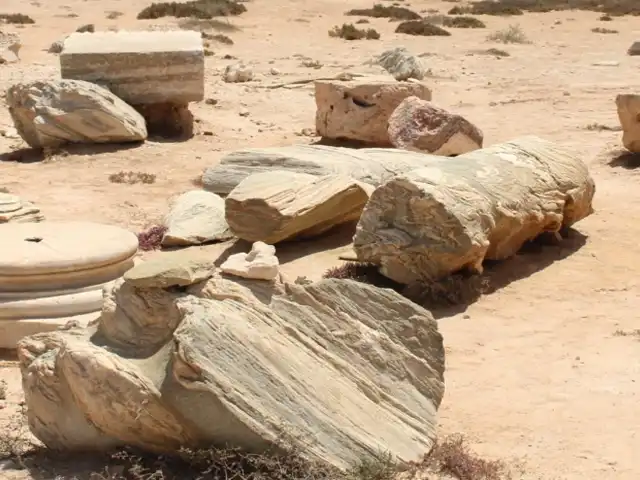
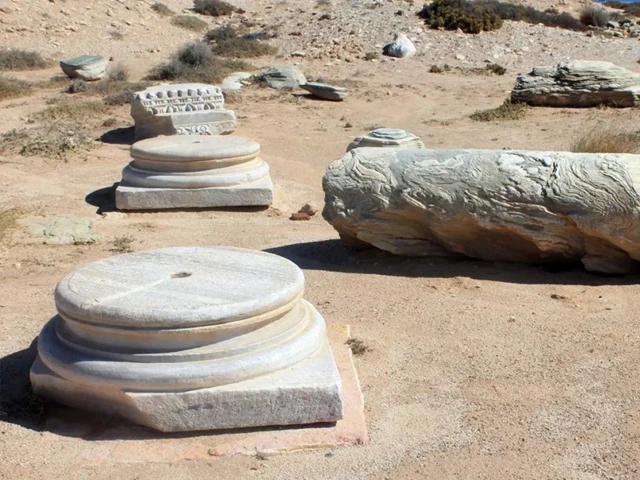
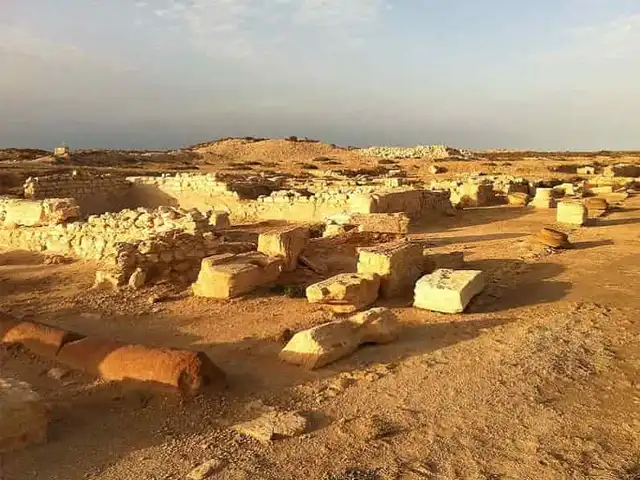
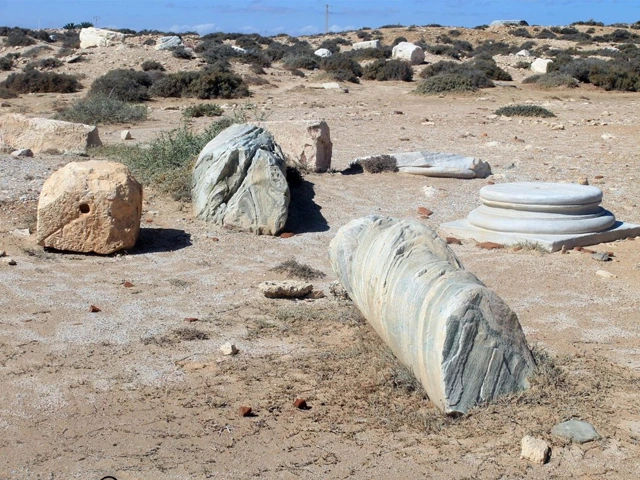
Gdzie znaleźć Stanowisko archeologiczne Meninx
Odkryj na wideo
Najczęściej zadawane pytania
Meninx was the Phoenician and later Roman capital of the island of Djerba (ancient Girba). It served as the principal city of the island for centuries and was an important centre of the Mediterranean purple dye trade, exploiting the murex sea snails found along the Djerban coast.
Sea level rise since antiquity and coastal erosion have partially submerged the ancient city. Archaeological surveys have identified substantial remains, including baths, an amphitheater, a basilica, and a forum, some of which lie underwater offshore.
On land, visitors can see the partially excavated remains of Roman-era buildings including thermal baths, paved streets, and sections of the forum. The surrounding coastline preserves traces of the purple dye workshops that were the site's industrial heart.
Meninx is located on the southeastern tip of Djerba, near the village of Hara Sghira and El Kantara, accessible by car from Houmt Souk (about 25 km).
Tyrian purple was among the most expensive commodities in the ancient world, prized for its permanence and depth of colour. It was used for imperial and royal garments, and its production at Meninx linked Djerba into the highest levels of Roman commerce.
Meninx is currently a low-infrastructure archaeological site - there are no facilities, tickets, or organised tours on site. It is best visited with an interest in archaeology and self-guided exploration. The seaside setting is atmospheric.

