

The Genoese Fort of Tabarka
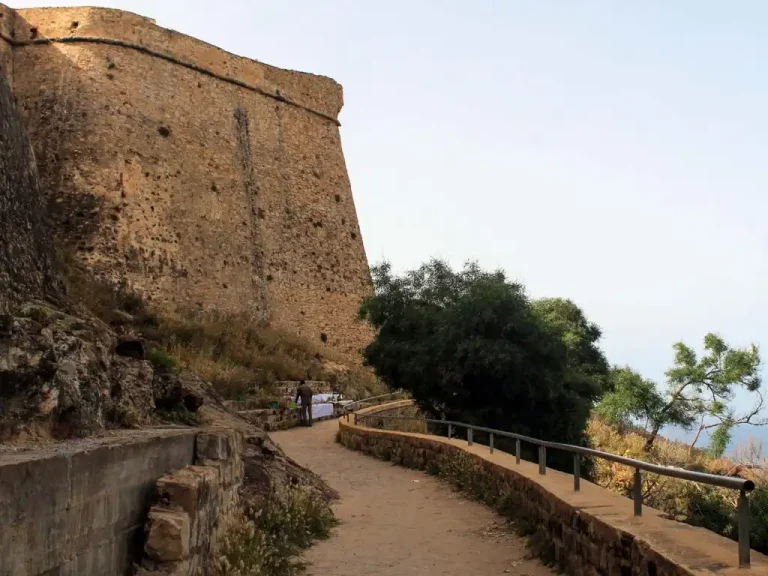
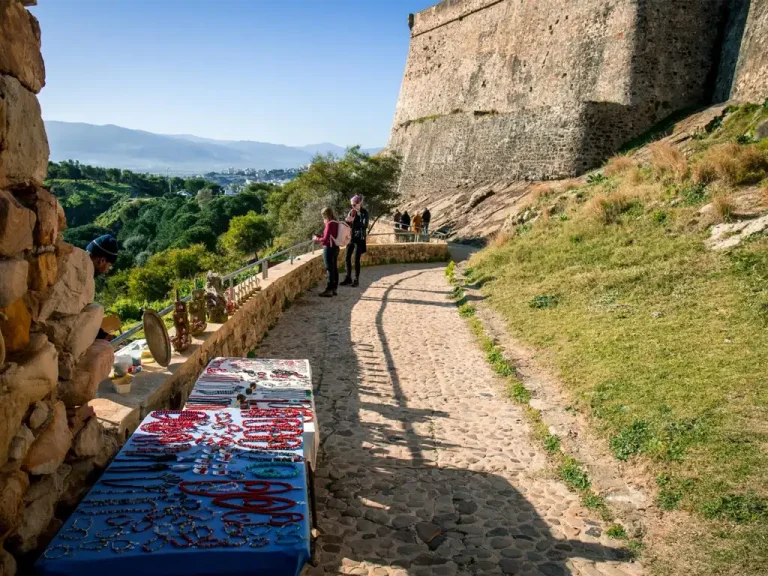
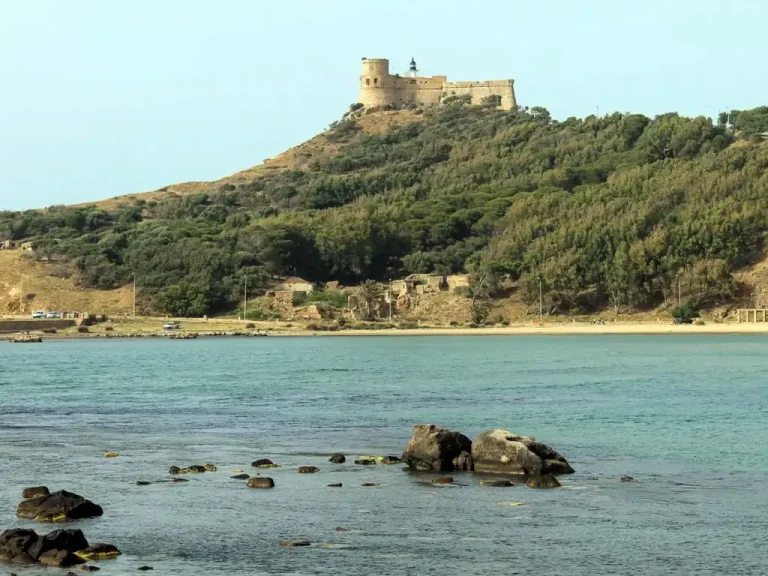
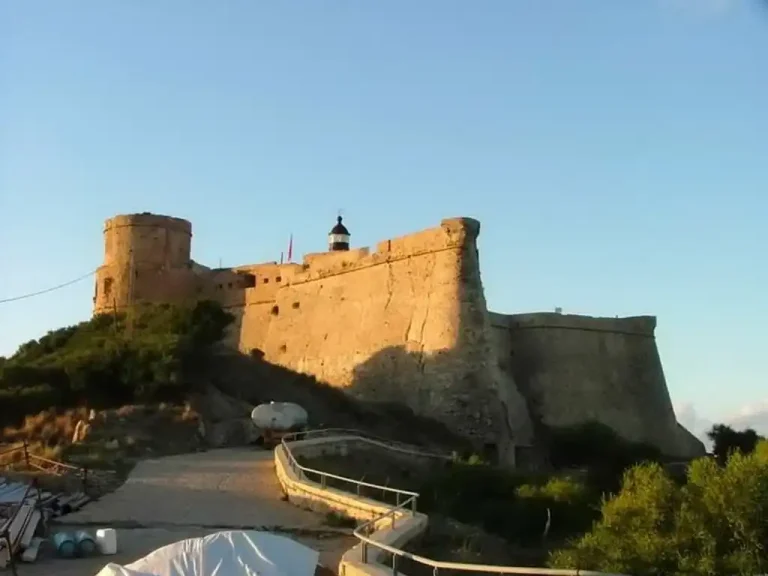
The Genoese Fort of Tabarka reopened its doors to the public on Independence Day 2016. This reopening followed a closure that lasted 30 years. The Association of History and Monuments of Tabarka (AHMT) made this possible. Tabarka’s natural wealth and commercial potential attracted many settlers over the centuries. The first fortifications of the promontory formed the initial castle mound. Later, the Spaniards outsmarted the Ottoman corsairs. They established a presidio there for coral fishing.
In 1542, the powerful Genoese banking family, the Lomellini, took command of the fort. They obtained the agreement of the King of Sicily, who represented Charles V. This agreement served as a counterpart to war debts the Spaniards had contracted. It was also a gratuity for the capture of Dragut, a famous corsair. Dragut was the right arm of Kheirredine Barbarossa. The Genoese captured him off the coast of Corsica. The island became governed by numerous administrative regulations. It organized around the authority of the Lomellini and the Church.
The Genoese Fort : Decline and Legacy
To face the many risks threatening the island’s prosperity, the fortifications continued to rise. The fort became a rock on which all attack attempts ended in failure. The Genoese then sought to cede their counter to the French. However, they did not notify the Bey of Tunis. In his rage, the Bey sent his fleet to attack the island. However, it was through trickery that his nephew brought the island to its knees. He invited all the dignitaries of the island on board his ship. Then he threw them into the galley and sacked the rock. This happened in 1742, marking the end of the Genoese counter.
Ali Pasha retained control over fishing and the coral trade until 1781. In that year, the French established the Royal African Company there. During the protectorate, the French settled outside the fort’s walls. They built a European-style city, creating the Tabarka we know today, facing the almost-island. During World War II, Free French troops used the fort as a base. They closed the maritime access between Tunisia and Algeria. Ultimately, the Genoese Fort of Tabarka offers a fascinating journey into Tunisia’s coastal history.
The Genoese Fort of Tabarka in Video
Where to Find The Genoese Fort of Tabarka
Frequently Asked Questions
Everything you need to know before visiting
The fort was built in 1542 by the Lomellini family of Genoa, who received the island of Tabarka from Emperor Charles V in exchange for ransoming the corsair Dragut from imprisonment. The Lomellini used the island as a base for their lucrative coral fishing concession.
For nearly two centuries, the Lomellini family controlled the island as a Genoese commercial outpost, fishing coral and trading slaves. The Tunisian Bey reclaimed the island and fort in 1742, ending Genoese presence.
The fort was reopened to the public in 2016 after more than 30 years of closure, allowing visitors to walk its ramparts and enjoy panoramic views over Tabarka's coastline and the Kroumirie mountains.
The fort sits on a rocky island connected to the mainland by a causeway. Its walls and towers remain largely intact, though interior structures have deteriorated over the centuries. The silhouette of the fort is the most recognisable landmark of Tabarka.
Tabarka is known for its coral diving, sandy beaches, and the annual Tabarka Jazz Festival. The Kroumirie cork-oak forests nearby offer hiking, and the town's medina and souks are worth exploring.
Tabarka is about 175 km northwest of Tunis. Regular buses and louages (shared taxis) connect Tunis to Tabarka. Tabarka-Aïn Draham Airport also offers seasonal flights. From the town centre, the fort island is clearly visible and reached on foot via the causeway.
