

Discover Ain Draham City
Ain Draham City lies in northwestern Tunisia, in the governorate of Jendouba, about twenty kilometres south of Tabarka. It is the capital of a delegation of 40,372 inhabitants, while the town itself had 9,788 inhabitants in 2014. This mountain retreat rests on the slopes of Djebel Bir, at about 800 metres, in the Kroumirie range, known for its thick forests and heavy rain.
Ain Draham City: the silver spring
The name Ain Draham means the silver spring. It recalls the hot sulphur springs that the Romans already used, and remains of baths still stand on the site. Moreover, Ain Draham has been a holiday resort since the time of the French protectorate.
Rain and snow
The region receives the highest rainfall in Tunisia, about 1,534 millimetres a year. It also sees snow from time to time, so many Tunisians come in winter to enjoy it. Therefore, the town is a favourite place for families from the coast who want a change of air.
Ain Draham City: an Alpine look
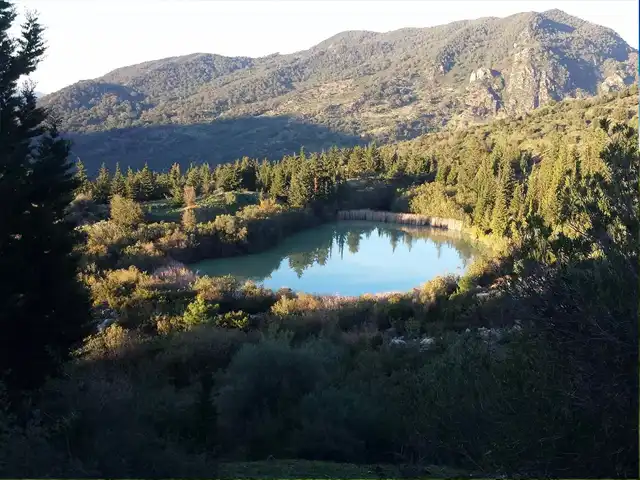
The town has charming houses with red-tiled roofs and vast cork oak forests around it. As a result, it looks like a village in the Alps. In addition, the forests are rich in game, above all wild boar, and they offer fresh air in every season.
Visiting Ain Draham
Walk in the cork oak forests, ride a horse or a mountain bike, and enjoy the cool climate in summer. In winter, bring warm clothes for the snow. To learn more about the region, read the Tabarka page on Wikipedia.
Furthermore, the coral coast of Tabarka and the Roman site of Bulla Regia are within easy reach, so Ain Draham is a good base for the northwest.
In short, Ain Draham City offers a peaceful journey into the mountains and forests of northern Tunisia.
In pictures



Ain Draham City in Video
Ain Draham City on the Map
Frequently Asked Questions
In northwestern Tunisia, about twenty kilometres south of Tabarka.
About 800 metres, on the slopes of Djebel Bir.
The silver spring.
Yes, from time to time in winter.
Its red-tiled houses and cork oak forests recall an Alpine village.
Hiking, horse riding, mountain biking and walks in the forests.
Tabarka and the Roman site of Bulla Regia.
