
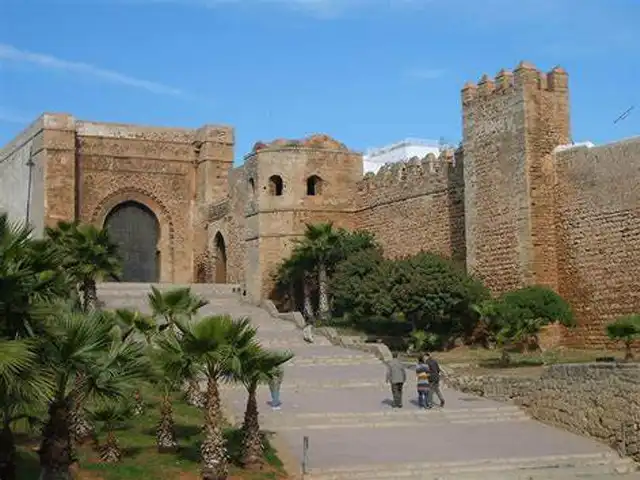
Discover The medina of Hammamet
The medina of Hammamet covers a small area right by the sea, at the heart of the resort of Hammamet. Ramparts surround it completely and open to the outside through three gates. This old town, the oldest part of the resort, enjoys a strong position above the Mediterranean. As a result, it gives the town much of its charm.
The medina of Hammamet and its layout
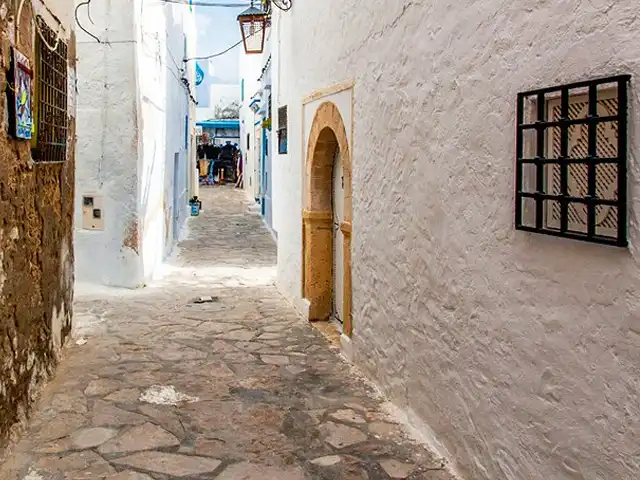
The layout of the old town reflects the Arab and Muslim way of life. Traditional planning rests on a clear principle: the separation between public life and private life. Therefore, the busy souk streets lead to quiet lanes with closed white houses. This balance between the intimate and the social has lasted for centuries.
Ramparts and kasbah
A wall protects the medina and gives it its special character. On the sea side, a strong citadel, the kasbah, reinforces it. Tradition dates this fortress to the 12th century, and its high and thick walls still impress visitors today. Moreover, watchtowers rise along the ramparts. In the past, the people closed the three gates at nightfall to control who came in and to protect the families.
The medina of Hammamet and its souk
Thousands of visitors come to Hammamet every year, and the town keeps its small medina clean and bright. In the maze of lanes, you will find many shops around the souk. The merchants have endless words and compliments to attract customers. So get ready to bargain, a custom that is almost sacred in Tunisian markets.
Visiting the old town
Climb onto the walls of the kasbah for the view of the sea, then walk through the lanes in the morning, before the heat. To learn more, read the Wikipedia page about Hammamet.
Finally, end the day with a mint tea in a café near the ramparts, when the light turns golden.
In short, the medina of Hammamet offers a charming walk between history, crafts and the sea.
In pictures
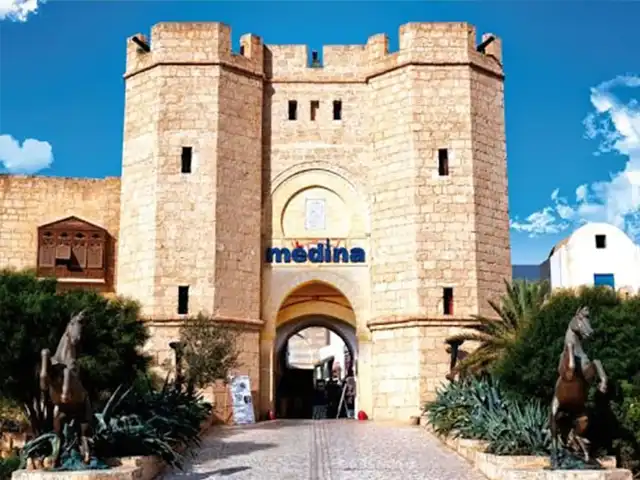
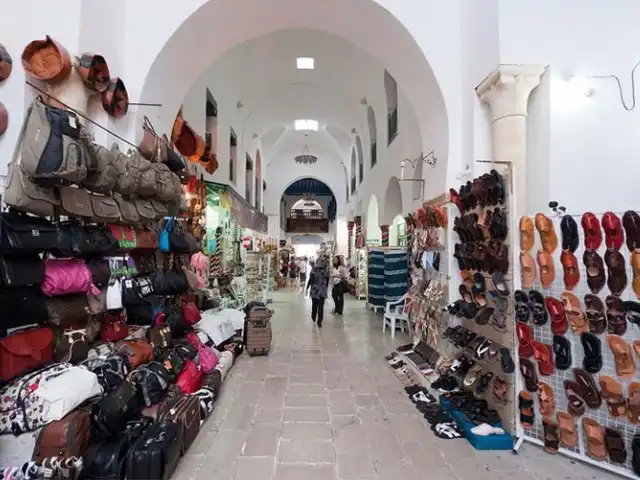
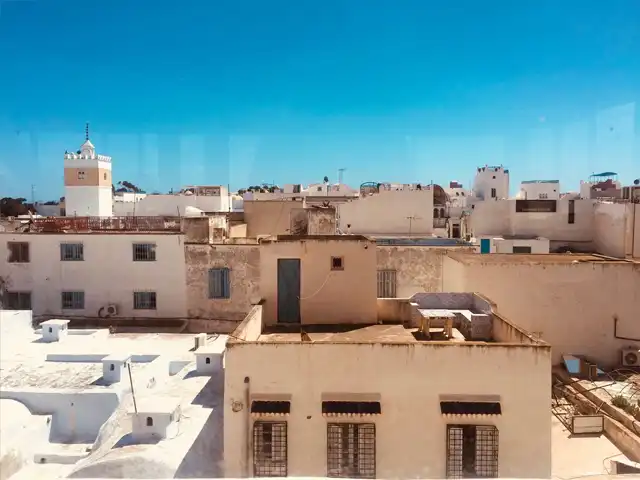
The medina of Hammamet in Video
The medina of Hammamet on the Map
Frequently Asked Questions
Right by the sea, at the heart of Hammamet.
Three gates open in its ramparts.
Tradition dates it to the 12th century.
It clearly separates public life from private life.
Yes, many shops line the souk.
Yes, bargaining is a strong custom in Tunisian markets.
In the morning, before the heat, or at the end of the day.
You came for the sun. You'll stay for the soul.
Let us show you what Tunisia truly is
