
About This Museum
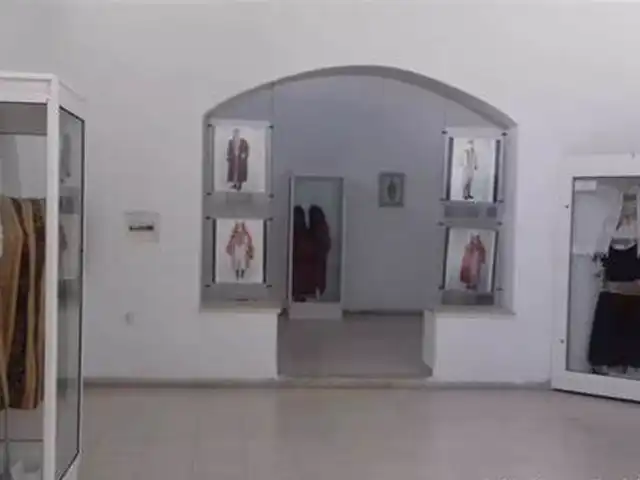
O Museu de Monastir está localizado ao lado da mesquita Bourguiba e do posto de turismo da medina. É um pequeno museu etnográfico onde são exibidos manequins vestidos com trajes folclóricos de todas as regiões da Tunísia.
A sala mais impressionante é a da noiva, que inclui também joias e outros objetos cerimoniais. No Museu de Artes e Tradições, poderá ver o traje tradicional, nomeadamente o feminino, que ocupa um lugar especial. Na sociedade tradicional, o enxoval da noiva – trajes, adornos, efeitos domésticos tecidos ou objetos de cobre – é considerado um “capital de risco” para os momentos difíceis.
As famílias esforçam-se por proporcionar às suas filhas valiosos enxovais: peças leves às dezenas e trajes cerimoniais com ricos bordados em fios de ouro e prata, sem esquecer as joias.
Museu de Monastir : vitrine do património tunisino
É toda esta riqueza que está exposta no Museu de Artes e Tradições Populares de Monastir.
Informações adicionais:
Horário de funcionamento: De 16/09 a 31/03: 08.00 – 17.00 | De 01/04 a 30/04: 08.00 – 18.30.
Encerrado à segunda-feira.
Entrada: 4 DT.
Museu Monastir in Photos




Onde encontrar Museu Monastir
Discover in Video
Perguntas frequentes
The Monastir Museum, located adjacent to the Bourguiba Mosque in Monastir, is a museum of traditional costumes and folk arts displaying folk dress from all regions of Tunisia. A particularly celebrated section is the bride's room, which presents an elaborate Tunisian wedding trousseau with all its textiles, jewellery, and accessories.
The museum is next to the Bourguiba Mosque complex in the heart of Monastir's old city, close to the ribat and the medina. It is easily reached on foot from the Monastir TGM light rail station.
The museum is closed on Mondays. Entry costs approximately 4 TND on other days.
Monastir was the birthplace of President Habib Bourguiba (1903-2000), the founder of modern Tunisia. The Bourguiba Mausoleum and the mosque bearing his name are next to the museum, making the area a significant site for understanding modern Tunisian history as well as traditional culture.
The museum presents festive and everyday dress from across Tunisia - from the embroidered garments of the northern Tell region to the Bedouin robes of the south, the distinctive costumes of Djerba, and the urban dress of Tunis and Sfax - illustrating the great regional diversity of Tunisian textile traditions.
The museum, ribat, and Bourguiba complex form a compact heritage circuit in central Monastir walkable in half a day. The Monastir marina, beaches, and connection to Sousse and Mahdia by the Sahel light rail make it easy to combine with other coastal destinations.
