
About This Museum
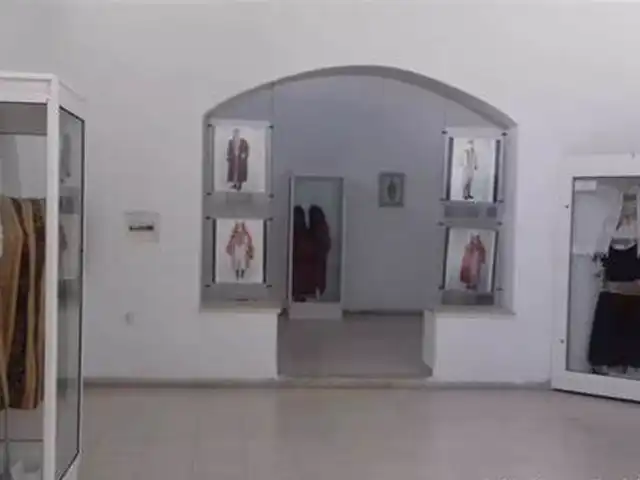
Muzeum v Monastiru se nachází vedle mešity Bourguiba a turistické kanceláře v medíně. Je to malé etnografické muzeum, kde jsou vystaveny figuríny oblečené v lidových krojích ze všech regionů Tuniska.
Nejpůsobivější místností je místnost nevěsty, která zahrnuje také šperky a další obřadní předměty. V Muzeu umění a tradic uvidíte tradiční kroj, zejména ženský, který zaujímá zvláštní místo. V tradiční společnosti je nevěstino výbava – kroje, ozdoby, tkané domácí potřeby nebo měděné předměty – považována za “rizikový kapitál” pro těžké časy.
Rodiny se snaží poskytnout svým dcerám cenné výbavy: lehké kusy po desítkách a slavnostní kroje s bohatě zdobenou výšivkou zlatými a stříbrnými nitěmi, nemluvě o špercích.
Muzeum v Monastiru : výkladní skříň tuniského dědictví
Právě toto bohatství je vystaveno v Muzeu lidového umění a tradic v Monastiru.
Další informace:
Otevírací doba: Od 16/09 do 31/03: 08.00 – 17.00 | Od 01/04 do 30/04: 08.00 – 18.30.
Zavřeno v pondělí.
Vstupné: 4 DT.
Muzeum v Monastiru in Photos




Kde nás najdete Muzeum v Monastiru
Discover in Video
Časté dotazy
The Monastir Museum, located adjacent to the Bourguiba Mosque in Monastir, is a museum of traditional costumes and folk arts displaying folk dress from all regions of Tunisia. A particularly celebrated section is the bride's room, which presents an elaborate Tunisian wedding trousseau with all its textiles, jewellery, and accessories.
The museum is next to the Bourguiba Mosque complex in the heart of Monastir's old city, close to the ribat and the medina. It is easily reached on foot from the Monastir TGM light rail station.
The museum is closed on Mondays. Entry costs approximately 4 TND on other days.
Monastir was the birthplace of President Habib Bourguiba (1903-2000), the founder of modern Tunisia. The Bourguiba Mausoleum and the mosque bearing his name are next to the museum, making the area a significant site for understanding modern Tunisian history as well as traditional culture.
The museum presents festive and everyday dress from across Tunisia - from the embroidered garments of the northern Tell region to the Bedouin robes of the south, the distinctive costumes of Djerba, and the urban dress of Tunis and Sfax - illustrating the great regional diversity of Tunisian textile traditions.
The museum, ribat, and Bourguiba complex form a compact heritage circuit in central Monastir walkable in half a day. The Monastir marina, beaches, and connection to Sousse and Mahdia by the Sahel light rail make it easy to combine with other coastal destinations.
