
About This Park
Park Narodowy Bukornine położony jest około dwudziestu kilometrów od Tunisu i zajmuje prawie 2000 ha, położony w pobliżu Hammam-Lif. Wilgotny klimat pozwolił na rozwój wysublimowanego lasu oraz wielu gatunków roślin: jałowca, cyklamenu, tulipanów, rozmarynu.
Ponadto Boukornine jest domem dla 25 gatunków ssaków: dziki, szakal, dziki kot, jeżozwierz, ptaki drapieżne, kilka gatunków ptaków osiadłych i wędrownych, kameleony, jaszczurka perłowa, żółw, podkowa wężowa itp.
Park charakteryzuje się gęstą dekoracją roślinną, bogatą i różnorodną. Istnieją różne odmiany drzew: eukaliptus, rozmaryn…
Park jest uważany za jedyne miejsce w Afryce Północnej, w którym znajduje się „perskie kadzidło Meriem”, cyklamen, odmiana rośliny, która lubi głównie wschodni basen Morza Śródziemnego.
W parku można spotkać kwiaty takie jak cyklamen perski i zwierzęta takie jak ryjówka etruska (najmniejszy znany ssak na świecie) i gazela górska.
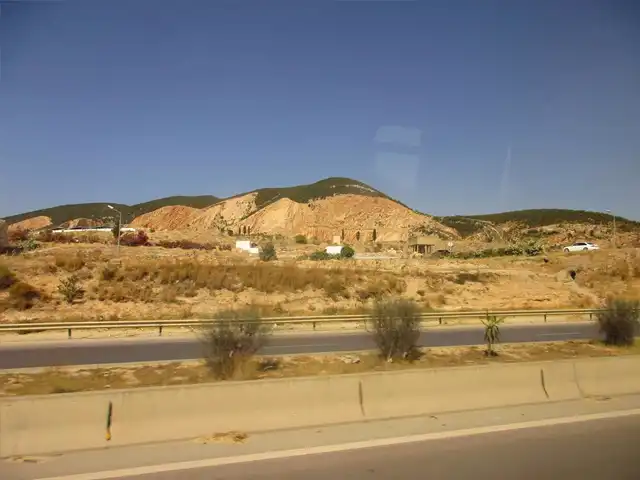
W parku znajduje się Jebel Boukornine (góra o wysokości 576 metrów) i źródło Aïn Zargua, a także ekomuzeum.
Istnieje również rzadka odmiana występująca wyłącznie w Afryce Północnej. Mysz pyska to także jedna ze specjalności parku.
Flora Parku Narodowego Boukornine jest również bardzo zróżnicowana. Istnieje ponad 200 gatunków roślin.
Park Narodowy Bukornine in Photos


Gdzie je znaleźć na stronie Park Narodowy Bukornine
Discover in Video
Najczęściej zadawane pytania
Bukornine (Boukornine) National Park near Hammam-Lif is the only site in North Africa where Persian cyclamen (Cyclamen persicum) grows wild. It also supports the Etruscan shrew, one of the world's smallest mammals, alongside more than 200 plant species in its Mediterranean scrub and woodland habitat.
Bukornine is approximately 20 km from central Tunis, making it the most accessible national park to the capital. The park entrance is near the town of Hammam-Lif, reachable by suburban train from Tunis (TGM to Hammam-Lif station).
Jebel Boukornine ("Two-Horned Mountain") rises to 576 metres, offering panoramic views over the Gulf of Tunis, Carthage, and on clear days, the Cap Bon peninsula. The twin rocky peaks are visible from much of greater Tunis.
The park supports wild boar, crested porcupine, Egyptian mongoose, and various reptiles in its garigue and maquis scrubland. Bird life includes Bonelli's eagle, peregrine falcon, and numerous migrant species using the park as a stopover point.
Yes. Bukornine is an excellent half-day or full-day hiking destination from Tunis. Marked trails lead from the park entrance up to the Aïn Zargua spring and toward the summit. The park is particularly beautiful in spring when wildflowers bloom.
Entry requires a permit at the park entrance. A small fee applies. Hiking alone in the upper park is possible but a local guide adds value, especially for identifying the park's notable plant species.
