
About This Museum
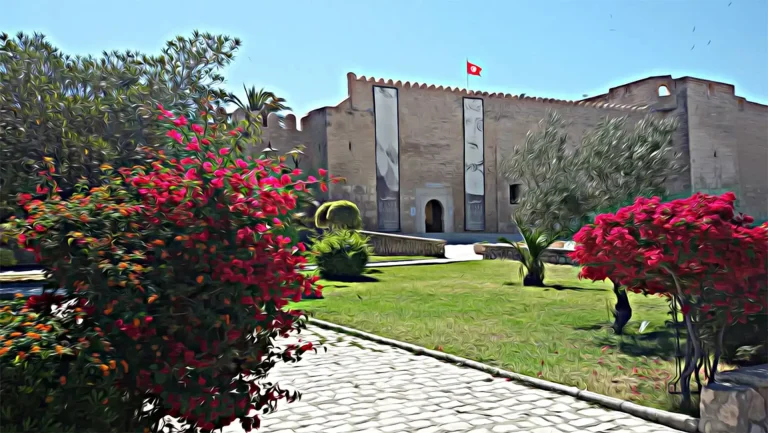
El museo arqueológico de Susa se encuentra en parte de la kasbah de la ciudad, en un gran edificio otomano que data del siglo IX. Fundado en 1951, el museo alberga la mayor colección de mosaicos romanos de Túnez, después de la del Museo Nacional del Bardo. Varias piezas representan escenas de la vida cotidiana que revelan mucho sobre la vida en la época, como creencias populares, caza y medios de entretenimiento.
Museo arqueológico de Susa, mosaicos romanos, Medusa y vida cotidiana antigua
Entre los mosaicos más famosos del museo se encuentran el Triunfo de Neptuno, el rapto de Ganímedes por Zeus transformado en águila, la Toilette de Venus y el Triunfo de Neptuno. Según los expertos, la pieza más bella de toda la colección es sin duda la cabeza de Medusa, cuya mirada recuerda su poder hipnótico. Además de los mosaicos, el museo de Susa también alberga objetos de la vida cotidiana que abarcan el período del siglo II al IV. En definitiva, el museo ofrece un viaje inolvidable al patrimonio romano de Túnez.
Horarios de visita
Abierto todos los días excepto los lunes
Mañana: 9:00 – 12:00
Tarde: 15:00 – 19:00
Museo arqueológico de Susa in Photos


Dónde encontrar Museo arqueológico de Susa
Discover in Video
Preguntas frecuentes
The Sousse Archaeological Museum, housed inside the Kasbah of Sousse, holds the second largest collection of Roman mosaics in Tunisia after the Bardo. Its highlights include the spectacular Head of Medusa, the Ganymede mosaic, the Toilet of Venus, and the Triumph of Neptune.
The museum is inside the kasbah (citadel) of Sousse's medina, which is itself a UNESCO World Heritage Site. The kasbah tower also offers panoramic views over Sousse and the sea.
In addition to its celebrated mosaics, the museum contains Punic funerary objects, Roman statuary, inscriptions, ceramics, glass, and coins - together covering the full history of ancient Hadrumetum (Roman Sousse) from Punic foundations through late antiquity.
The museum is closed on Mondays. It operates on standard Tunisian heritage site hours on other days, with reduced hours on Fridays. Entry costs approximately 8 TND.
Yes. The museum is inside the medina kasbah, within walking distance of the Great Mosque of Sousse, the Ribat of Sousse, and the medina walls - all part of the UNESCO World Heritage zone. The Catacombs of Sousse are a short taxi ride away.
The Head of Medusa is a masterpiece of Roman mosaic art, depicting the gorgon's face with extraordinary skill in tesserae. It was created as an apotropaic image to ward off evil and is one of the finest examples of its type from the Roman world.
