
About This Park
Cap Négro
Der Jebel-Chitana-Nationalpark (Cap Negro) ist ein Nationalpark an der Nordküste Tunesiens, zwischen Cap Serrat und dem Staudamm Sidi El Barrak. Es besteht aus der Waldreihe von Jebel Chitana, die zum Forstbezirk Bizerte gehört, und der von Bellif, die zum Forstbezirk Béja gehört.
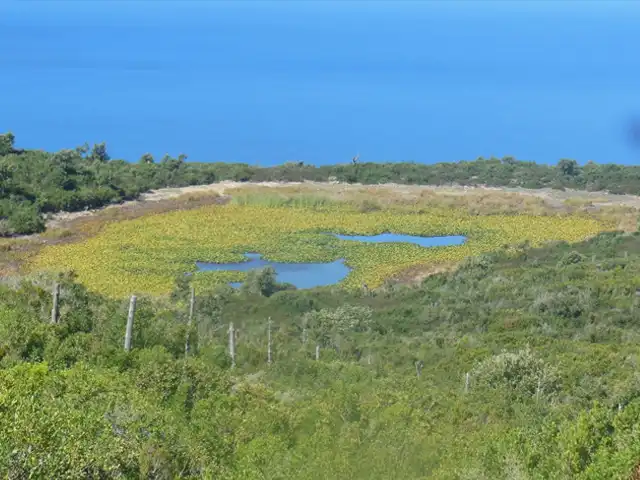
Es erstreckt sich über eine Gesamtfläche von 10.122 Hektar und bildet eine eingezäunte integrale Schutzzone, die zum Schutz des Torfmoors von Mejen Ech Chitan, des Waldes von Mhibès und des Staudamms von Sidi El Barrak sowie zur Erhaltung endemischer und seltener Pflanzen bestimmt ist Tierarten, wie die Weiße Seerose unter der Flora und der Berberhirsch unter der Fauna2.
Der Park befindet sich in der unteren feuchten bioklimatischen Stufe mit milden Wintern.
Seit mehreren Generationen betreiben einige Familien im Park Landwirtschaft, Viehzucht und Bienenzucht. Diese Familien sind sich des großen natürlichen und kulturellen Reichtums des Parks bewusst und haben sich zum Ziel gesetzt, sein Potenzial zu steigern, indem sie die Produktion und Vermarktung von Bio-Obst, -Gemüse und -Honig sowie einen Agritourismus und Ökotourismus entwickeln
Seit 2005 bieten sie Aktivitäten an, um den Menschen zu helfen, die Fauna und Flora, die Kultur und das traditionelle Know-how sowie die Tier- und Pflanzenproduktion des Parks zu entdecken:
– Teilnahme an landwirtschaftlichen Aktivitäten (Melken von Tieren, Honiggewinnung, Ernte von Gemüse und Weizen, Gewinnung von ätherischen Ölen usw.);
– Wandern im Park und Umweltbildung;
– Seefahrt mit traditionellen Fischern;
– Verkostung von Bio-Produkten vom Bauernhof;
– Einkauf lokaler Produkte und Besuch des Wochenmarktes
– usw…
Jebel-Chitana-Nationalpark in Photos


Wo findet man Jebel-Chitana-Nationalpark
Discover in Video
Häufig gestellte Fragen
Jebel Chitana National Park is a protected area of 10,122 hectares in northern Tunisia, extending from Cap Serrat on the Mediterranean coast to the Sidi El Barrak dam inland. It protects cork oak forest, a rare northern Tunisian peat bog, and a population of Barbary deer.
The park contains a peat bog, an extremely rare habitat in North Africa, found at high elevation in the Kroumirie Mountains. Peat bogs require a cool, wet climate and are indicators of ecological conditions unusual in the Mediterranean-arid context of Tunisia.
The park protects Barbary deer in the cork oak forests, as well as wild boar, common genet, porcupine, and a rich variety of forest birds. The coastal section at Cap Serrat is important for seabirds and migratory raptors.
Yes. The Jebel Chitana area has developing agritourism with organic farms in the Kroumirie foothills offering farm stays and local produce. This community-based tourism complements the park's natural heritage with cultural and agricultural experiences.
The park is in the far northwest of Tunisia, roughly between Tabarka and Bizerte along the northern coast. Cap Serrat is reachable by hire car from Bizerte (about 80 km) or Tabarka (about 40 km). The Kroumirie interior roads are scenic but require care.
Yes. Jebel Chitana, Tabarka (with its Genoese Fort and coral diving), and Ichkeul National Park can be combined in a two-day northern Tunisia circuit, exploring the Kroumirie forest and wetland heritage together.
